
When is the best time to ride Greece? Which months should you avoid? How does the weather differ betweenthe Peloponnese and Epirus, or between coastal routes and mountain passes?
We answer these questions with both data and experience. First, we break down 10 years of climate statistics (2015–2025) across five mainland regions — Peloponnese, Central Greece, Thessaly, Epirus, and Macedonia —detailing average temperatures, rainy days, and seasonal patterns. Then we add what those numbers mean from the saddle: practical riding insights from decades of guiding tours and scouting routes across Greece.
Whether you’re planning a spring tour through mountain passes, a summer coastal ride, or considering an autumn trip when the crowds thin out, this guide helps you understand what to expect and how to prepare.
About the Authors
This guide combines analysis of official climate data with practical riding experience from MotoGreece’s founding team, John Kapelakis and John Karoubas. We’ve been operating motorcycle tours in Greece since 2016, riding these routes in everys eason, and guiding hundreds of international riders through Greek terrain. Six consecutive TripAdvisor Travelers’ Choice Awards. Named Greece’s Motorcycle Tour Company of the Year, 2020.
Quick Reference: Best Riding Months by Region
| Region | Best Months | Avoid | Winter Avg | Summer Avg | Wettest Month |
|---|---|---|---|---|---|
| Peloponnese | Apr-Jun, Sep-Oct | Dec-Feb | 9-11 °C | 30-33 °C | December (12 rainy days) |
| Central Greece | Apr-Jun, Sep-Oct | Dec-Feb | 10-12 °C | 30-33°C | January (7-8 rainy days) |
| Thessaly | May-Jun, Sep | Dec-Feb, Jul-Aug | 5-10 °C | ~30 °C | January (15-16 rainy days) |
| Epirus | May-Jun, Sep-Oct | Nov-Mar | 5-13 °C | Low 30s °C | Nov-Dec (15-17 rainy days) |
| Macedonia | May-Aug, Sep | Dec-Feb | 1-9 °C | 30+ °C | November (10 rainy days) |
All temperatures in Celsius. “Rainy days” = days with ≥1mm precipitation. Data compiled from official statistical records from HNMS (Hellenic National Meteorology Service).
Climate Statistics for Mainland Greece Regions (2015–2025)
Understanding Greece’s climate patterns requires looking beyond simple averages. The following regional breakdowns provide the data you need to plan effectively, with temperatures, rainfall frequency, and seasonal characteristics that matter when you’re choosing gear and booking dates.
Peloponnese (Southern Greece)
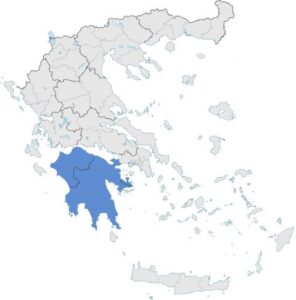
Classic Mediterranean climate with mild, wet winters and hot, dry summers. Coastal areas stay warmer in winter, while interior highlands (Mount Taygetus) see cooler temperatures and snow on peaks.
Winter (Dec–Feb) : Lowland averages 9–11°C with frequent rain — December is the wettest month with roughly 12 rainy days. Expect wet conditions November through March (10–12 rainy days per month).
Summer (Jun–Aug) : Hot and arid. July peaks around 31°C with virtually no rain (≈1 rainy day), making it the sunniest, driest month. Summer average highs: 30–33°C with only 1–2 rainy days per month total.
Spring/Autumn : Moderate temperatures (highs 20–25°C), fewer tourists, and manageable rainfall. Excellent riding seasons.
Central Greece (Sterea Hellas, including Attica/Evia)
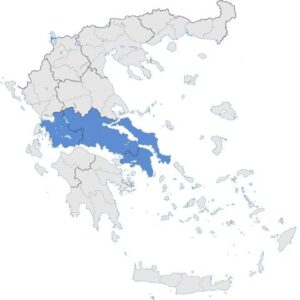
Climate varies from mild coastal plains around Athens to cooler, wetter mountains in the west. Overall warmer than northern regions with an annual mean around 19°C.
Winter (Dec–Feb) : Mild near sea level — Athens averages ~10°C in January (highs ~12°C, lows ~4°C). Most rain occurs in winter: January sees roughly 7–8 rainy days. Interior mountains can experience frost or occasional snow.
Summer (Jun–Aug) : Hot and nearly rainless. Highs reach low 30s°C with exceptional dryness — often <3 total rain days across all three summer months. August typically sees 0–1 rainy day. July sunshine: ~13 hours/day.
Spring/Autumn : Comfortable temperatures (teens to mid-20s°C) with low to moderate rainfall.
Note for riders : Coastal routes around Attica and Euboea stay relatively mild year-round.
Thessaly (Central-North Greece)
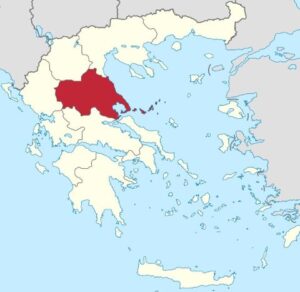
Broad plain ringed by mountains (Olympus, Pindus), with hot-summer Mediterranean climate in lowlands. The central plain around Larissa is among Greece’s driest areas, approaching cold semi-arid conditions.
Winter (Dec–Feb) : Cool and wet. January averages 5°C (low) to 9–10°C (high) with 15–16 rainy days — roughly half of all winter days see precipitation. Occasional snow falls on the plains; more frequent in surrounding mountains.
Summer (Jun–Aug) : Very hot (daily highs often near 30°C, July/August ~29°C average) but not completely dry. Unlike coastal areas, afternoon thunderstorms develop over plains and mountains — expect 6–7 rainy days per month in July/August, though total rainfall remains moderate (30–40mm monthly).
Spring/Autumn : Pleasant riding temperatures (highs 17–25°C) with notable rain in spring.
Note for riders: Pack rain gear especially for late summer/autumn when storms increase. Be prepared for sudden showers during summer afternoon heat.
Epirus (Northwest Greece)
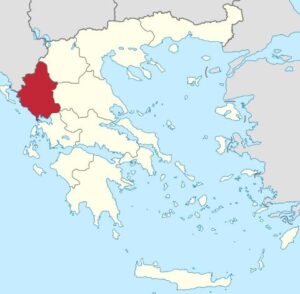
Greece’s wettest region. Mountainous terrain west of the Pindus range with maritime and alpine influences. Cooler temperatures and much higher precipitation year-round than other regions.
Winter (Nov–Feb) : Cold and extremely wet. November and December each average 15–17 rainy days. Mountain areas see significant snowfall. Coastal cities (Igoumenitsa, Preveza) are milder, but interior (Ioannina) often drops below freezing at night. January: highs ~13°C, lows ~5°C, with heavy rain (November can total~300mm precipitation).
Summer (Jun–Aug) : Warmer and drier but not rain-free. August is driest (~1 rainy day average), but July still sees 3–5 rainy days from mountain thunderstorms. Highs reach low 30s°C, but averages stay lower than eastern Greece. Pindus mountains keep nights relatively cool.
Spring/Autumn: Lush green scenery thanks to rainfall. Best riding season is late spring to early autumn when worst rains have subside.
Climate type: Mediterranean at coast, alpine in mountains — yielding cooler, greener riding conditions.
Note for riders : Mountain passes of Pindus are very cold and wet in winter. Some impassable because of snow.
Macedonia (Northern Greece)
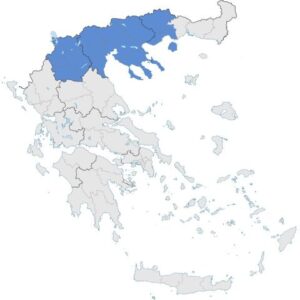
Transitional climate between Mediterranean and Continental. Hot summers, but colder winters than southern regions, especially in inland valleys and higher elevations. Continental-Mediterranean pattern: dry, very warm summers; moderately wet, fairly cold winters.
Winter (Dec–Feb) : Lower temperatures than elsewhere in Greece. Thessaloniki (coastal): January averages 1°C (low) to 9°C (high). Inland towns (Florina): routinely drop below 0°C at night. Snowfall occurs, especially in northern and western Macedonia mountains. November is typically wettest month with steady rains (~10rainy days).
Summer (Jun–Aug) : Hot but mostly dry — ideal if you can handle heat in lowlands. Highs often exceed 30°C. July sees only ~7 rainy days with very low total precipitation. August is driest month with negligible rainfall.
Spring/Autumn : Spring is relatively wet but mild. Autumn brings increasing rain — pack rain gear by October.
Note for riders: Greater seasonal contrast than southern Greece. Expect near-drought summers and cool, wet winters. Possible rapid weather changes. Winter riding can encounter cold rain, occasional snow/ice in mountainous areas.
What These Statistics Mean for Riders: Our Experience
We’ve been riding Greece for decades, guiding tours and scouting routes across every season. Here’s what the climate data looks like from the saddle.
Spring (March–May): The First Peak Season
March can still be unpredictable across most regions. Rain is very likely, so come prepared. Temperatures are generally comfortable for riding with the right gear — 4-season jackets with removable thermal liners handle daytime conditions well. But in mountainous locations, especially early morning and after sunset, temperatures drop fast. Sometimes as low as 2–3°C, particularly in the north.
High mountain roads present specific risks. Black ice and frost on road surfaces are real concerns, especially on shaded slopes. If you’re planning a March trip, stick to the Peloponnese and Central Greece — and expect snow on the highest mountain passes.
Late April through May is perfect riding weather everywhere in Greece. There’s a reason this ~45-day window (April 15–May 30) is one of our two peak seasons — we’re always fully booked.
Should you carry rain gear? In April, yes, if you have the space. In May, it’s very rare. Personally, I never carry rain gear in May. Temperature-wise, early April means 4-season jacket, and if I’m out at dawn or expect to ride past sunset, I pack my thermal liner. By May, I’m almost exclusively in a summer jacket, adding a windbreaker or light fleece inside if needed.
Important: Greece’s highest paved mountain pass, Baros, is blocked until the first working day of May every year. This has been standard practice for decades. There have been a couple of exceptions due to unusually mild winters with low snowfall, but these are rare. Don’t attempt Baros before May unless you’ve done very recent research confirming it’s open.
Recommended Spring Routes (April-May) :
- Complete Peloponnese circuit: ideal weather for the full peninsula
- Central Greece mountain route: Delphi → Karpenisi → Meteora (Baros pass open after May 1)
- Northwest, not before May: Vikos gorge (Zagoria) → Pindus (Tzoumerka)
- Pelion penninsula (east side of central Greece), not before May
Summer (June–August): Heat Management
June is excellent for riding any region. Temperatures start climbing — warm, not yet hot — rarely exceeding 30°C. Rain is absent by default, though the last decade has brought a few anomalies: strong thunderstorms in June that didn’t exist before. The good news: these storms were short-lived (never more than 30 minutes) and always occurred during or right after the hottest part of the day.
July and August get uncomfortable for most riders. Official statistics show average highs of 29–31°C across regions, but the reality is different. True peaks reach or exceed 40°C on some days. Extended periods — 7–8 consecutive days — with constant 36–37°C highs are the norm, typically occurring at least once in July and once in August. This is why we never run guided tours during these months.
That said, if you want to spend your Greek vacation on a motorcycle, there are strategies:
- Use the long days : 12–13 hours of daylight means you can start early and cover good distance before the heat becomes uncomfortable. Take a midday rest, then continue riding after 18:00 — you still have 2.5 hours of daylight.
- Loop-based travel works better : Stay at one location, ride a loop in the first half of the day, return to your hotel after noon, then do a shorter loop after 18:00.
- Hydration is critical : Carry and drink lots of electrolytes.
- Wear technical base layers that wick sweat efficiently.
- Choose mountain routes : Temperatures up high are often 5–10°C cooler than in plains and coastal areas.
Recommended Summer Routes (June only) :
- Epirus mountain circuits: Metsovo → Tzoumerka → Ioannina (cooler highland temperatures)
- Northern & Central Peloponnese: Corinth → Kalavryta → Vytina (elevation provides relief)
Autumn (September–October): The Second Peak Season
Early September can still carry summer heat —32–33°C during the first 10 days isn’t rare. Rain remains absent. Mid to late September is ideal. Just like May.
October is perfect for riding across all regions. Rain chances rise slightly, especially on the west coast and in the north/northwest, but from our experience, getting badly rained on for consecutive days during a tour is rare.
Over the last 20 years, it’s not worth mentioning as a pattern. Yes, carry rain gear, but we’re talking about rain coming in for 2–3 days every 10 or so.
Temperature-wise, leave summer jackets in the closet and bring back 4-season gear. In the northwest, mornings and evenings will be chilly. But remember: October, along with September, is our second peak season. We’re fully booked. That should tell you something.
Recommended Autumn Routes (September-October):
- Complete Peloponnese circuit: ideal weather for the full peninsula
- The entire central & northwest: Meteora → Vikos Gorge (Zagoria) → Tzoumerka (Pindus)
- Pelion penninsula (east side of central Greece)
Autumn Shoulder Season (November): Still Rideable
Think of November like March: shoulder season, unpredictable for rain. Temperatures are predictable and manageable for riding, even in the northwest and on high mountain passes.
We do most of our annual scouting trips in November — riding for days across the Pindus mountain range. We rarely encounter weather issues. Yes, we get rain, but it seldom ruins a day. Temperatures can drop close to 0° C very early in the morning and late at night in northern/northwestern regions (Epirus, Macedonia, northern Thessaly). Snow is still absent, though first signs may appear in the very last days of November.
Winter (December–February): Selective Riding
Mild compared to most of central and western/northern Europe, but not a good time for a multi-day motorcycle tour. Rain is frequent, notably in the west and north/northwest. Temperatures are low — not so low that we stop riding entirely, but low enough that we don’t ride every weekend. When we do, we stick to coastal routes.
If you’re considering a winter tour:
The Peloponnese is your best choice. It offers the mildest conditions and the best probability of avoiding rain, especially on the eastern side. Planning in advance still carries weather risk, but if we had to choose one region, this is it.
Route planning should:
a) Avoid high mountain passes above 1,000 meters. Snow probability is high, or worse, you risk encountering invisible black ice on the road.
b) Build in flexibility. Plan alternative routes at lower altitudes and closer to coastal areas in case weather deteriorates.
During winter, we definitely do not suggest tours into the Pindus mountain range and Tzoumerka.
Recommended Winter Routes (December-February, Peloponnese only) :
- Eastern coastal route: Nafplio → Leonidio → Monemvasia (lowest rain probability)
- Southern coastal circuit: Gythio → Stoupa → Methoni (mild temperatures, sea-level riding)
Quick Recommendations by Experience Level
First-time riders in Greece:
- Start with April-May or September-October
- Choose Peloponnese or Central Greece
- Avoid mountain passes in March and November
- Always carry 4-season gear with thermal liner
Consider our self-guided tours or fully guided tours designed around optimal seasonal conditions.
Experienced riders comfortable with variables:
- March is rideable in southern regions (expect rain)
- June offers long days and manageable heat
- November is excellent for touring with proper preparation
- Winter Peloponnese coastal routes remain accessible
Heat-sensitive riders:
- Avoid July-August entirely, or
- Plan loop-based riding with early starts/late afternoon sessions
- Focus on mountain routes during summer months
- Carry 3+ liters of water and electrolytes daily
Planning Your Greece Motorcycle Tour
Understanding seasonal patterns is the first step. The next is matching those patterns to your riding style, heat tolerance, and experience level.
Our rental fleet is available year-round, though we recommend booking 4–6 months ahead for April-May and September-October peak periods. For guided experiences timed to optimal weather windows, see our
tour calendar.
Questions about specific routes or seasonal conditions? Contact us — we ride these roads constantly and can provide current information based on recent conditions.
Last updated: January 2026. Climate data covers 2015–2025. Riding experience current as of 2025 season.
Statistical sources: Official Greek meteorological data, regional climate analyses, and MotoGreece operationalrecords.